
When a water main bursts in Sylvan Park or a gas line ruptures near East Nashville, time isn’t just money—it’s safety. Emergency utility excavation in Nashville requires fast response, deep local knowledge, and coordination with city agencies and utility providers like Metro Water Services and Piedmont Natural Gas.
At Walsh Civil Services, LLC, we’ve responded to countless urgent digs across Davidson County. Whether it’s a sewer collapse along Hillsboro Pike or a fiber optic cut downtown near Broadway, we understand that Nashville’s infrastructure demands precision under pressure.
Here’s how we handle emergency utility excavation in real-time, right here in Music City.
Key Takeaways
- A crew is sent quickly to assess the damage and secure the site in busy areas like 12 South.
- Utility lines are found using local maps, Tennessee 811, and radar before any digging begins in older neighborhoods.
- Equipment is chosen for tight spaces and tough soil while crews dig safely under Nashville’s red clay and limestone.
- Repairs are made, the site is restored, and 24/7 emergency service is always available across the Nashville area.
Step 1. Initial Site Assessment and Emergency Response
The first step is rapid assessment and response.
When we get the call—whether from a homeowner in Germantown, a commercial property manager near The Gulch, or directly from Metro officials—we immediately dispatch a crew to the site.
Upon arrival, our team performs a visual inspection to determine the nature and severity of the issue. This might involve identifying ground collapse, pooling water, visible pipe damage, or the smell of gas.
In emergency scenarios, we also coordinate with local first responders and utility companies to ensure safety protocols are in place, especially in busy neighborhoods like 12 South or along Charlotte Avenue, where public foot traffic is high.
Step 2. Locating Underground Utilities with Local Database Access
Before any excavation begins, we contact Tennessee 811 and access GIS mapping data provided by Metro Nashville Public Works. This helps us locate existing underground utilities such as electric lines from NES (Nashville Electric Service), water mains, sewer laterals, and communication cables.
We also rely on electromagnetic locators and ground-penetrating radar, which are particularly useful in older areas like Belmont-Hillsboro, where infrastructure records may be outdated.
Identifying the exact utility layout avoids service disruption to nearby homes and businesses and ensures we dig safely in dense urban areas.
Step 3. Permitting and Immediate Coordination with City Officials
Even in an emergency, proper permitting is essential.
We have long-standing working relationships with the Metro Water Services Department, the Tennessee Department of Transportation (TDOT), and local inspection offices, which allows us to fast-track necessary permits.
In high-traffic areas like the West End or near Nissan Stadium, we also work with traffic management teams to secure lane closures or reroutes.
This behind-the-scenes coordination helps reduce delays and prevent fines or project stoppages due to regulatory oversights.
Step 4. Controlled Excavation Using Specialized Equipment
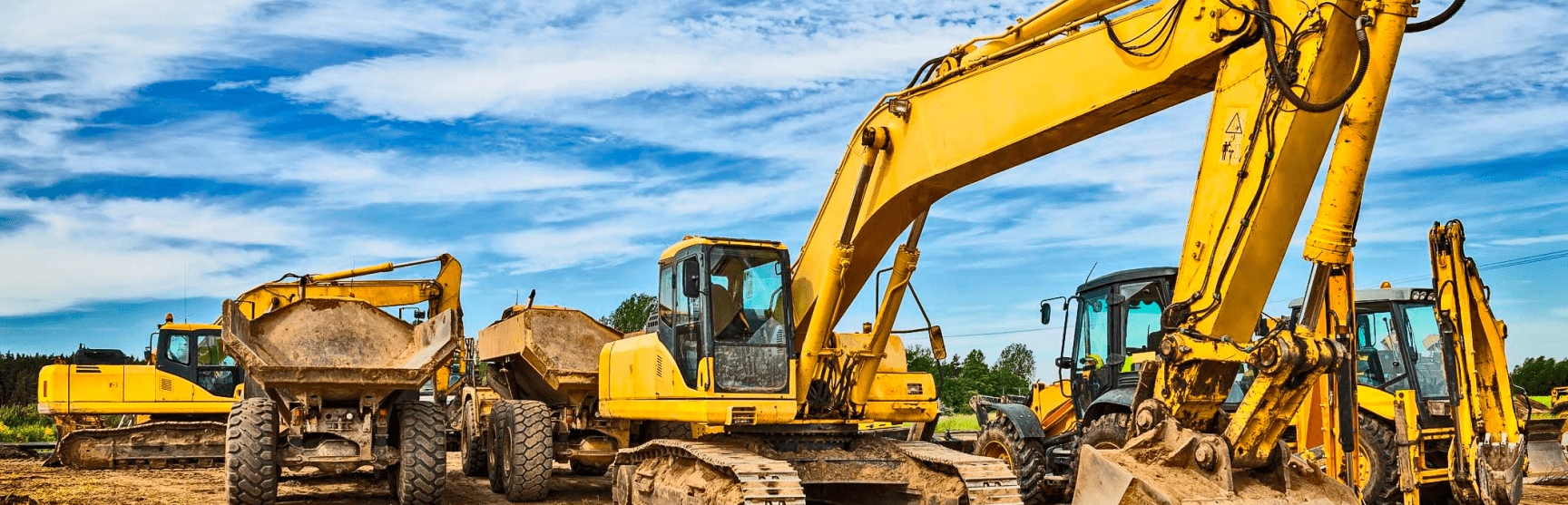
Once safety and permitting are in place, we begin the excavation process using vacuum excavation or mini-excavators, depending on the site constraints. For instance, tight spaces in neighborhoods like Lockeland Springs may require compact, low-impact equipment to avoid damaging landscaping or nearby structures.
We also consider Nashville’s unique red clay soil and limestone base, which can affect trench stability and digging depth.
Our crews are trained to adapt quickly to subsurface surprises, especially in older parts of the city where utility systems date back decades.
Step 5. Repair or Replacement of Damaged Utilities
After exposing the affected utility line, we assess whether a repair or full replacement is necessary. For water main breaks near Centennial Park, for example, we might perform a quick clamp repair to restore service within hours.
In more complex cases, such as collapsed sewer lines near the Vanderbilt campus, we replace entire sections of pipe using materials approved by the Metro Sewer Department.
We always ensure all work is code-compliant and tested before backfilling, often working overnight to minimize disruption to surrounding homes and businesses.
Step 6. Site Restoration and Final Inspection
Once utility service is restored, we focus on returning the site to its original condition—or better. This includes compacting soil to prevent settling, repaving asphalt or concrete surfaces, and reseeding grass when necessary.
In neighborhoods with strict HOA guidelines like Green Hills, we take extra care to match original landscaping and finish work. We also schedule follow-up inspections with city officials to ensure compliance with Nashville’s utility restoration standards.
Before we leave the site, we confirm with clients and utility providers that all systems are fully functional and safe.
Get Emergency Utility Excavation Help When Every Minute Counts
When a utility failure hits your property, fast action is critical—but it also needs to be done right the first time. Delaying can lead to water damage, power outages, or even public safety hazards, especially in a fast-growing city like Nashville.
At Walsh Civil Services, LLC, we bring years of hands-on experience, local agency coordination, and 24/7 availability to every emergency excavation job. Whether it’s a sewer break in Donelson or a gas line hit in Midtown, we know how to respond fast, dig smart, and restore your service safely.
Need emergency excavation right now?
Call us anytime for rapid deployment, expert repair, and reliable follow-through. Let’s get your utilities back online—safely and efficiently.
Frequently Asked Questions
Can you help with utility excavation on steep or difficult terrain, like parts of Forest Hills?
Yes, we use slope-rated machinery and compact excavators to handle emergency utility digs on uneven ground in hilly areas like Forest Hills and South Nashville.
What safety steps do you take around schools or public buildings during emergency excavation?
We set up barriers, coordinate with Metro Nashville Public Schools, and follow OSHA standards to keep students, staff, and pedestrians safe near active dig zones.
Do you offer trenchless repair methods for emergency sewer or water line issues?
Yes, we offer trenchless pipe bursting and cured-in-place lining when conditions allow, which helps minimize surface damage near homes or businesses.
Can you provide documentation for insurance claims after emergency utility excavation?
Yes, we provide detailed reports, photos, permits, and repair invoices to help property owners work with insurance adjusters and utility companies after the job is complete.
